

HI, I’M DR. AARON A. GUBI
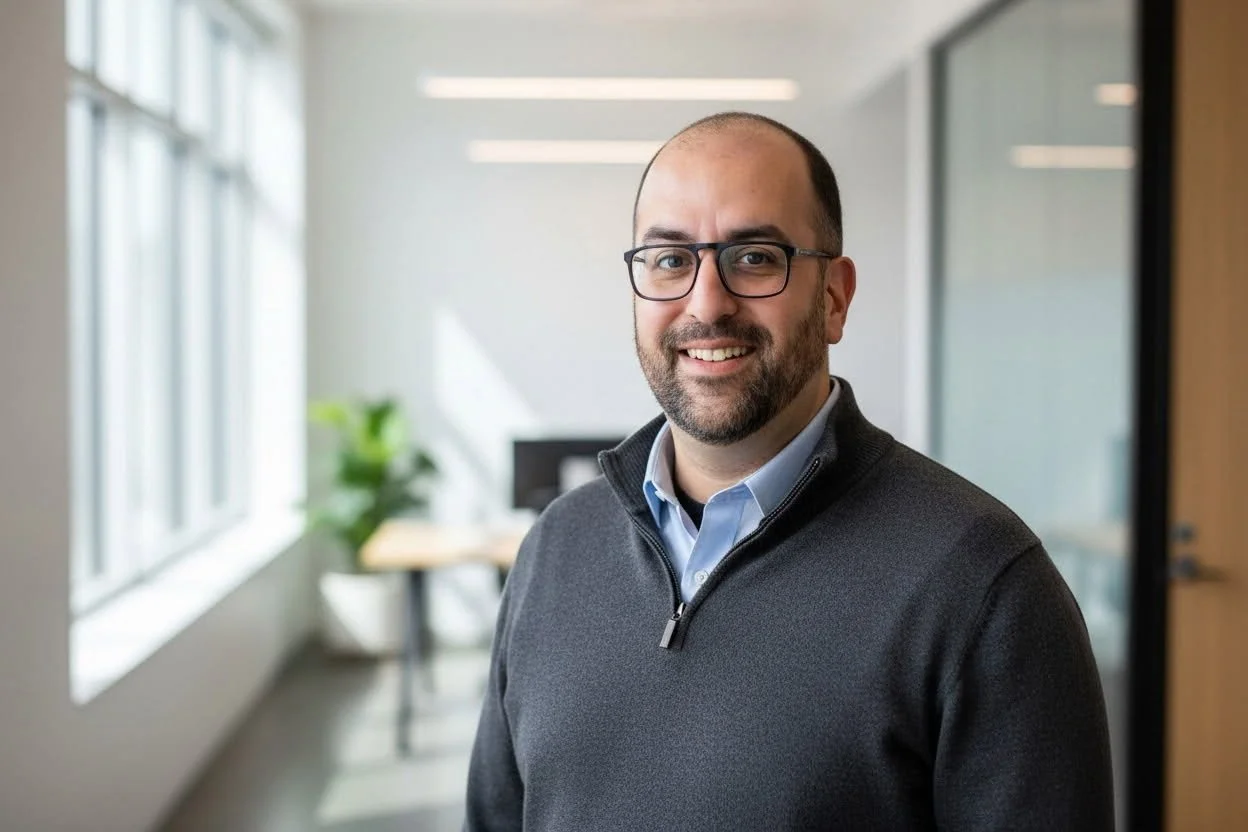
I’m a licensed psychologist, tenured Associate Professor of Psychology, and Director of the Center for Autism Assessment & Research Services (CAARS) at Kean University. Throughout my career, I’ve worked across inpatient psychiatric, school, university, and community mental health settings, providing psychological assessment, consultation, and therapy to children, adolescents, adults, and families.
Seeking a psychological evaluation or therapy can sometimes feel overwhelming. Families may have questions about a child’s development or behavior, while adolescents and adults may be trying to understand longstanding challenges, determine whether a diagnosis fits, or identify the supports they need. My role is to make that process clear, thoughtful, and collaborative.
My Approach

I believe good psychological care begins with understanding the whole person, not simply identifying symptoms or assigning a diagnosis. Every individual brings a unique developmental history, set of strengths, challenges, relationships, and life circumstances that shape how they experience the world. Whether I am conducting an evaluation or providing therapy, I strive to create an environment that is warm, collaborative, and nonjudgmental. My goal is to provide clear, practicalguidance, helping you understand what’s happening, why, and what can be done about it.
In assessment, I combine standardized measures with clinical observation, developmental history, interviews, and careful consideration of each person’s unique circumstances. In therapy, I draw from evidence-based approaches and tailor treatment to each person’s needs, goals, and stage of life.
Experience & Credentials
Clinical & Training Experience
My clinical training and professional experience have taken me across a wide range of psychological and educational settings. I have worked as a psychologist in inpatient and state psychiatric hospitals, including in the role of attending psychologist, as a school psychologist with the New York City Department of Education (District 75), and in community mental health and developmental evaluation settings.
This range of experience has let me work with individuals and families presenting a wide array of developmental, learning, emotional, behavioral, and mental health concerns, and has shaped a clinical approach rooted in trauma-informed, neurodiversity-affirming care. I try to understand each person within the context of their history, environment, and strengths, without assuming what a “typical” way of thinking, communicating, or learning looks like.
Education & Credentials
Ph.D., University of Wisconsin-Milwaukee
Postdoctoral Fellowship, University of Virginia (Concentration: Center for Autism Spectrum Services)
Licensed Psychologist: New York, New Jersey, and Virginia
Nationally Certified School Psychologist (NCSP)
Tenured Associate Professor of Psychology, Kean University
Director, Center for Autism Assessment & Research Services (CAARS), Kean University